Open post
Calculate wind load on heatshield panels

Wind Load Calculator

Wind Load Calculator

Formula: F = 0.5 × ρ × Cs × A × U(zt)²


Calculate wind load on heatshield panels

Need more information?

Here's a worked example calculating the wind loading of Locker heat-shield panels

Effect of Elevation on Wind Velocity

If the wind velocity is only known at a different height to the proposed installation, engineers often use the wind profile power law as a rule-of-thumb for converting wind speeds between two heights:

V2 = V1(H1/H2)α

Where:

V1 = known wind speed at height H1
V2 = wind speed at desired height H2
α = exponent depending on terrain roughness (also called the wind shear exponent)

Here's a table with multipliers for different heights and wind shear exponents, based on a known windspeed height of 10 metres:

Wind Speed Multipliers (Reference Height 10 m)
Height H2 (m)Open Water (α=0.10)Open Terrain (α=0.15)Suburban (α=0.20)Urban (α=0.25)
50.9330.9010.8700.841
101.0001.0001.0001.000
151.0381.0661.0931.120
201.0721.1221.1741.227
251.0991.1681.2401.314
301.1221.2071.2961.386
401.1601.2721.3971.534
501.1891.3221.4731.642
601.2131.3611.5341.729
801.2521.4261.6371.879
1001.2801.4751.7141.987
1201.3021.5141.7752.073
Open post
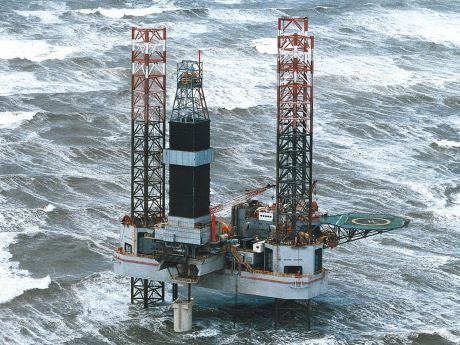
Offshore personnel bridge with protective heat-shielding

Wind-Shielding for Offshore Bridges

Key Benefits of Wind Shielding for Personnel Bridges

  • Up to 75% reduction in wind speed for safer, more comfortable transit
  • Protection from rain, snow, and airborne debris
  • Improved operability during adverse weather
  • Lightweight and quick to install
  • Resilient to high wind speeds (up to 120mph)
  • Durable construction with stainless steel or coated fabric
off-shore personnel bridge

The Importance of Wind Shielding in Offshore Environments

Offshore platforms face some of the most extreme weather conditions in industrial operations. Personnel bridges, also known as link bridges or walkways, are vital for safe transit between platform modules, FPSOs, or jack-up rigs. Yet, these exposed structures are highly vulnerable to wind loading, creating hazards ranging from personnel fatigue to structural stress.

Wind shielding is an essential safety measure, designed to reduce wind exposure and increase the safety, efficiency, and well-being of offshore crews.

Personnel bridge with wind-shielding

How Wind Shielding Improves Safety and Performance

Reducing Wind Speeds and Buffeting

High wind speeds on offshore bridges can cause:

  • Dangerous slips or trips
  • Difficulty carrying tools or equipment
  • Risk of wind-lifted clothing impairing vision or balance

Locker’s wind shields—including the Extra Span Shield, Mini Shield, Corrugated Shield and Galebreaker Fabric Wind Shields—use mesh or fabric barriers to deflect airflow, reducing wind speed by up to 75%.

Protection Against Weather and Debris

Shielding also:

  • Limits snow and rain build-up on walkways
  • Reduces maintenance due to less corrosion from salt spray
  • Protects against flying debris during storms

Mini and Fabric Wind-shielding Samples During Testing at 101 mph

Wind Shielding Options from Locker Heatshielding

Rigid Wind Shielding – Stainless Steel Mesh Systems

Extra Span Shields

The Extra Span type windshielding is used as a permanent solution for protection of both personnel and equipment from the harsh weather conditions experienced both onshore and offshore in the oil and gas industry.

Key Features

  • Wind efficiency 62% (72% with additional layer)
  • Independently tested at wind speeds in excess of 100mph (87knots/h)
  • Able to span large distances between supporting steelwork
  • All stainless steel type 316L construction
  • Ideal for permanent wind and weather protection
  • Excellent light transmission and ventilation

Check out our Montrose Stair Tower Project to see Extra Span Wind-Shields providing wind protection of personnel using bridges and stair towers on this platform in the North Sea.

Extra Span Wind-Shielding

Corrugated Shields

Corrugated wind-shielding panels have a single layer mesh construction which can reduce the wind speed by over 75%

  • Wind speed reduction of 75%
  • Load tested to represent wind speeds in excess of 140mph
  • Able to span large distances between supporting steelwork
  • All Stainless Steel type 316L construction
  • Ideal for permanent wind and weather protection
  • Excellent light transmission and ventilation

Corrugated Wind-Shielding

Mini Shields

Mini type wind-shielding panels are single layer construction. They are typically used for small panels and complex shapes.

Key Features

  • Complex and intricate designs can be accommodated easily
  • All stainless steel type 316L construction
  • Ideal for permanent wind and weather protection
  • Excellent light transmission and ventilation
  • Quick onsite installation and removal

Mini Wind-shielding Panels

Fabric Shields

Galebreaker Industrial Fabric Wind-Shielding

Fabric wind-shielding is custom designed and manufactured in the UK. Panels are able to span lengths of up to 9.1 metres, although an additional skirting feature means panels can be overlapped to form a complete protective wall with no limit for overall width.

Key Features

  • Wind, rain and dirt resistant
  • Excellent UV resistance
  • Proven efficiency: can reduce wind speed by up to 75%
  • Fire resistant classification B-s2,d0 to EN 13501-1
  • Lightweight, strong and very durable: 1.25 kg/m2 total weight including fixings
  • Approx. 380 g/m2 weight of material
  • Temperature range -30 °C to +70 °C.
  • Withstands wind speeds: standard 90 mph, maximum 120 mph (53 m/s)
  • Shields can be rolled into bales for easy handling, shipping and storage

Fabric Wind-shielding

Summary: Why Wind Shielding Matters for Offshore Walkways

In challenging offshore environments, wind shielding is not just a comfort upgrade—it’s a critical safety measure that ensures personnel can move freely and safely between platforms. Locker Heatshielding offers both rigid and fabric shielding systems tailored to your operational needs.

FAQ: Wind Shielding for Offshore Personnel Bridges

Q1: How much wind speed reduction can I expect?

A: Locker’s wind shielding can reduce wind speed by up to 75%, depending on the installation and product selected.

Q2: Will shielding affect light transmission or ventilation?

A: No. The mesh and fabric designs are engineered for excellent light transmission and airflow, maintaining a comfortable working environment.

Q3: Can wind shields be retrofitted to existing walkways?

A: Yes, both rigid and fabric systems are modular and can be retrofitted without significant structural changes.

Q4: What materials are used?

A: Shields are built using 316L stainless steel or UV-resistant polyester fabrics with marine-grade fasteners.

Q5: Are these systems compliant with offshore safety standards?

A: All Locker wind shielding systems are tested for thermal and wind loading, meeting rigorous offshore safety requirements.

Open post
Locker Heatshield Welding

Pride in Heatshield Design and Fabrication

Heatshield and Windshield Manufacturing


Introduction

In a world that increasingly favours globalisation and outsourcing, there’s a significant advantage to keeping manufacturing close to home. At Locker Heatshielding Ltd, we take immense pride in being world leaders in heat and wind shield fabrication. Specialising in applications such as flare-deck heat shielding and protection for personnel and sensitive equipment from radiated heat and high winds on oil and gas platforms, we are committed to in-house design and manufacturing that enhances the quality of our products while showcasing our expertise and attention to detail.


Locker heat-shielding in action
Locker CAD Heatshield Design

Detailed Design Using Advanced Software

At Locker Heatshielding Ltd, the journey from concept to creation begins with meticulous design, utilising advanced software like SolidWorks and AutoCAD. Our dedicated design team employs these powerful tools to create detailed and precise engineering drawings. This enables us to visualize, simulate, and refine our heat and wind shielding solutions before they even reach the fabrication stage. With the ability to analyze stress points, optimise material usage, and ensure compatibility with existing equipment, our design process significantly enhances our product's efficiency and effectiveness. The integration of cutting-edge software allows us to deliver tailored solutions that not only meet but exceed client expectations.

The Heart of Our Operations: Welding

Welding is at the core of what we do at Locker Heatshielding Ltd. It’s not merely a technical skill; it’s an intricate craft that requires a keen eye for detail and a deep understanding of materials. Our team comprises highly skilled and certified welders who take immense pride in their work. Each welding project we undertake is a chance for our experts to demonstrate their proficiency, ensuring that every joint in our heat and wind shields is structurally sound and built to withstand the toughest environmental conditions.

By keeping our welding operations in-house, we maintain control over quality, timing, and flexibility. This enables us to swiftly adapt to our clients' needs, making adjustments as necessary without compromising the reliability and performance that our brand is known for.

Locker Heatshield Welding
Locker's Press-Brake in Operation

Fabrication: Where Design Becomes Reality

Our fabrication processes at Locker Heatshielding Ltd are planned to bring our designs to life, particularly in the realm of heat and wind shielding solutions. From cutting, shaping and bending to welding and assembly, every phase of our fabrication workflow is executed with precision and expertise. Our state-of-the-art equipment and skilled personnel permit us to offer customised solutions tailored to the specific needs of flare-deck applications and protective measures for personnel and sensitive equipment.

By managing fabrication in-house, we enhance efficiency and streamline production timelines, ensuring that every shield is crafted to meet the rigorous demands of the oil and gas industry. Our team is actively engaged in the innovation process, constantly looking for ways to improve our offerings and deliver the highest quality products.

Finishing Touches: The Importance of Quality Control

Once welding and fabrication are complete, our focus shifts to metal finishing, a crucial step that enhances not only functionality but also durability. Whether it’s protective coating or surface treatments, we ensure that each product undergoes rigorous quality control measures.

At Locker Heatshielding Ltd, we take pride in our thorough inspection routines at every stage of production. This commitment to quality guarantees that our heat and wind shields perform to the highest standards, providing our clients with the assurance and reliability they expect for protecting personnel and sensitive equipment in challenging environments.

The Local Manufacturing Advantage

Choosing to manufacture locally at Locker Heatshielding Ltd goes beyond just product quality; it’s about nurturing our community and enhancing its workforce. By fostering skilled labour and investing in our team, we contribute to job growth and uphold our reputation as leaders in heat and wind shield fabrication. Our employees are invaluable to our success, and their expertise is evident in every product we create.

Moreover, local manufacturing aligns with our sustainability goals. By reducing transportation emissions and implementing eco-friendly practices, we strive to minimise our environmental impact while delivering top-notch products to our global clients.

Open post
Fabric windshield in action

The Role of Fabric Windshields in the Oil and Gas Industry

The Role of Fabric Windshields in the Oil and Gas Industry


Introduction

The offshore oil and gas industry operates in one of the most challenging environments on Earth. With harsh weather conditions, extreme temperatures, and corrosive elements, ensuring the safety and functionality of equipment is paramount. Among the crucial components in this industry are fabric windshields, which play a vital role in protecting personnel and equipment from the elements. In this blog, we'll delve into the significance of fabric windshields and how they are utilised in the offshore oil and gas sector.

Understanding Fabric Windshields

Fabric windshields, also known as windbreaks or windshields, are specialized barriers made from durable materials such as PVC-coated polyester fabric. These windshields are designed to withstand high winds, heavy rain, saltwater exposure, and other environmental challenges commonly encountered offshore. They are typically installed around work areas, equipment, and personnel quarters to provide protection from harsh weather conditions.

Fabric Wind-shielding in action
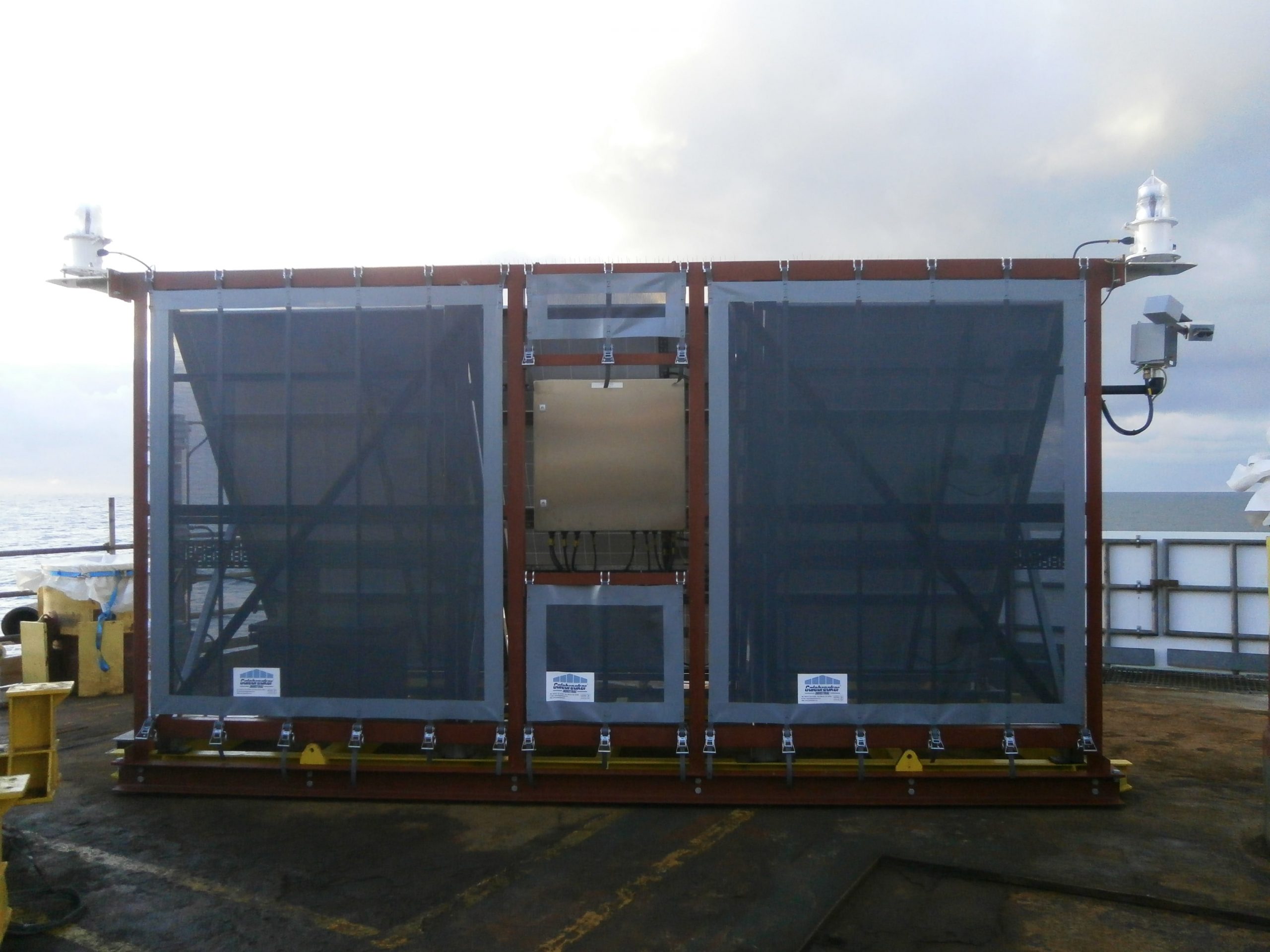
Navigation Aid Solar Panel Windshield

Key Applications in the Offshore Industry

1. Helideck Protection: Fabric windshields are often used to shield helidecks on offshore platforms and vessels. Helidecks are crucial for transportation to and from offshore installations, but they are exposed to strong winds and turbulent weather. Fabric windshields create a barrier that reduces wind turbulence, making helicopter landings and takeoffs safer for personnel and equipment.

2. Worksite Enclosures: In offshore construction and maintenance projects, fabric windshields are employed to create enclosed worksites. These enclosures provide a controlled environment where workers can perform tasks without being exposed to adverse weather conditions. Fabric windshields can be quickly installed and dismantled, offering flexibility in adapting to changing project requirements.

3. Equipment Protection: Sensitive equipment onboard offshore platforms and vessels requires protection from the corrosive effects of saltwater spray and extreme weather. Fabric windshields act as protective barriers, shielding equipment from direct exposure to the elements and extending their operational lifespan.

4. Personnel Safety: Ensuring the safety and well-being of personnel working offshore is a top priority. Fabric windshields provide a barrier against harsh winds, driving rain, and sea spray, creating a more comfortable and secure environment for workers during their shifts.

Advantages of Fabric Windshields

  • Durability: Fabric windshields are engineered to withstand the rigors of the offshore environment, including UV exposure, saltwater corrosion, and high winds.
  • Portability: Unlike rigid structures, fabric windshields are lightweight and portable, allowing for easy transportation and installation at various locations on offshore installations.
  • Customisation: Fabric windshields can be tailored to fit specific dimensions and requirements, providing versatile solutions for different offshore applications.
  • Cost-Effectiveness: Compared to traditional construction methods, fabric windshields offer a more cost-effective solution for weather protection and site enclosures.

Conclusion

Fabric windshields play a crucial role in enhancing safety, efficiency, and productivity in the offshore oil and gas industry. By providing protection against harsh weather conditions, these specialised barriers contribute to the smooth operation of offshore installations and the well-being of personnel. As technology continues to advance, fabric windshields are expected to evolve further, offering even greater durability, versatility, and performance in the challenging offshore environment.

Open post
Locker Heatshield Decorative Radiant Heatshielding Wall

Locker Heat Shield In Action

A Locker Heat Shield Wall In Action


The Challenge

In April 2019, Locker Heatshielding Limited received an important request - to provide a heatshield fence between a new housing development and a nearby waste recycling centre.

Upon thorough examination through a detailed technical report, it was revealed that a potential waste fire could produce radiant heat, requiring an effective solution to provide a safe means of escape for residents and access for emergency services. This is where Locker Heatshielding Limited stepped in, having experience in providing radiant heatshields to the offshore and onshore oil and gas industry since 1976.

Radiant Heatshielding Challenge for Locker
Locker Image Perf Tree Design

The Proposed Solution

With a strong track record in protecting personnel and vital equipment from the impact of radiant heat generated by the burning of excess hydrocarbons, Locker Heatshielding Limited brought their wealth of experience to tackle this new challenge.

Initially, the plan was to erect a 4m high radiant Heatshield barrier between the properties. However, on closer consideration, it became evident that such a barrier might appear overly industrial and detract from the charm of the new development.

Drawing upon sister company, Locker Architectural Limited's architectural prowess, a brilliant hybrid solution emerged. This combined a Radiant Heatshield facing the potential heat source, and a layer of perforated metal with a tree pattern, facing the housing development.

The Finished Project

This innovative approach not only offered essential protection to the development from potential heat issues but also created an aesthetically appealing façade, paying homage to the area's rich history for the residents and effectively providing a visual barrier from their industrial surroundings.
By blending cutting-edge technology with a touch of artistry, Locker Heatshielding Limited seamlessly integrated function and beauty, leaving the residents with an effective and visually appealing solution.

Locker heatshielding with a decorative edge
Locker Heatshield In A Residential Application

The Heatshield Fence in Action

In the early hours of 5th September 2022, a fire broke out at the industrial site. The blaze was visible for miles around and was reported by local news outlets.

In response to the emergency, an evacuation of nearby residents was successfully carried out. The Heatshield wall stood firm and an inspection was undertaken following the fire and there was no damage to the wall, which had performed exactly as it was intended.

The Result

This combination of cutting-edge Heatshield technology and thoughtful Architectural design offers an outstanding solution to mitigate risks, while adding a touch of elegance to what could have been a plain and industrial-looking structure.
This  incident served as a testament to the effectiveness of this integrated Heatshield wall.

Shield types used in this project

Scroll to top